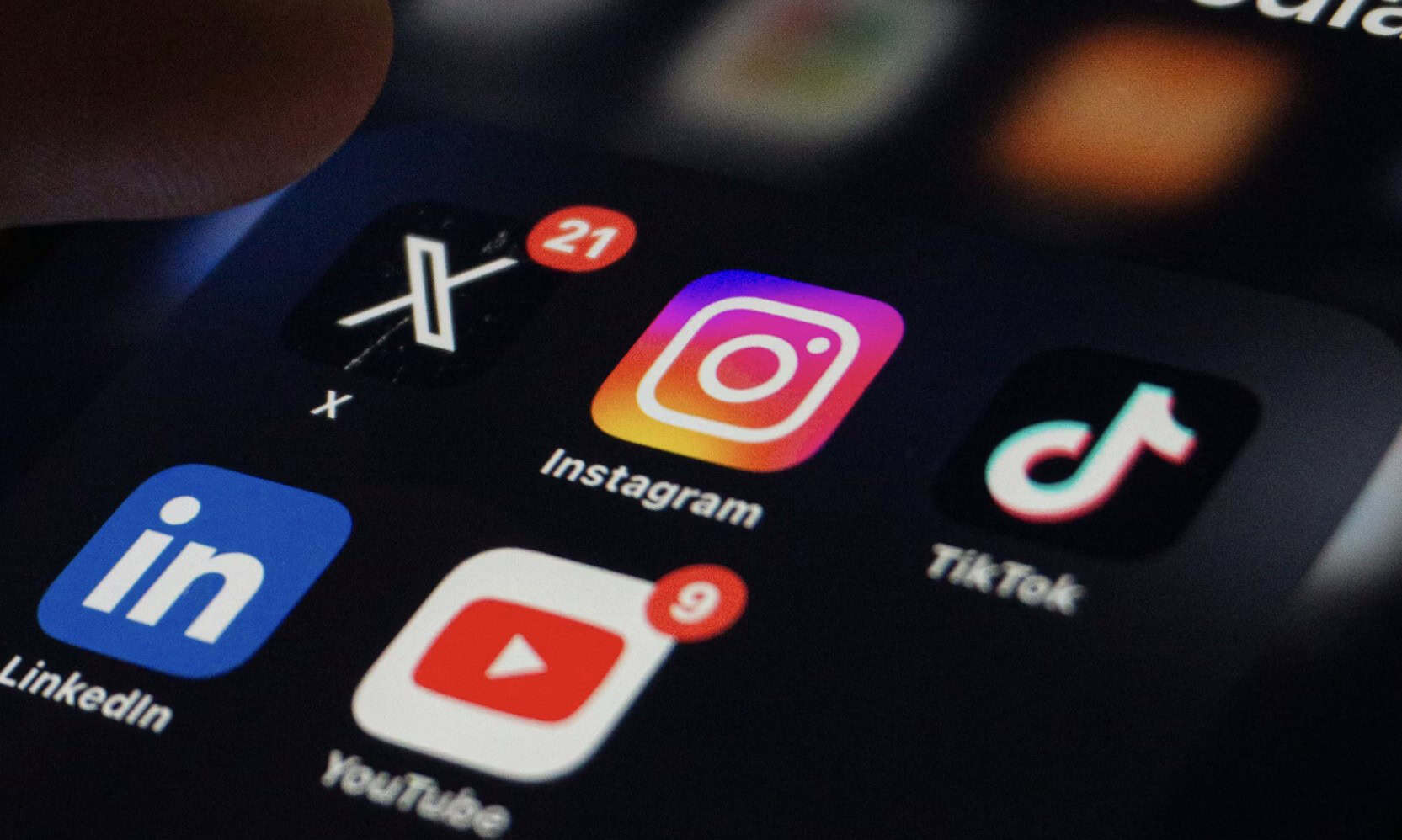
Social Search for SEL: Reaching Gen Z Students. Optimize your school’s mental health resources for social search to capture high-intent student users where they actually look.
Over 50% of Gen Z starts learning searches on social platforms; your wellness content must meet them there. This startling metric underscores the critical need for educators to adopt a “Social SEO” mindset.
The primary challenge is not the quality of the content, but its discoverability.
This shift is not about “dumbing down” the message, but rather mastering the craft of translating complex educational science into short-form, high-impact narratives that interrupt the scroll and drive traffic back to robust, institutional resources.
Key Takeaway for Schools
The article argues that for schools, this “marketing” approach is actually a necessary tactical shift to ensure that Social-Emotional Learning (SEL) resources are actually seen by students.
Social Search & SEL
In today’s rapidly evolving digital landscape, understanding how students seek information is paramount for educators, school leaders, and K-12 instructional leaders. Traditional search engines are no longer the exclusive gatekeepers of knowledge, especially for Generation Z. Instead, social media platforms like TikTok, YouTube, and Instagram have emerged as powerful search tools, influencing how young people learn, connect, and seek support for their emotional well-being. This article delves into the strategies for optimizing vital Social-Emotional Learning (SEL) and mental wellness content for “Social SEO,” ensuring that essential resources reach students precisely where they are: scrolling through their feeds.
The Shifting Digital Landscape: Why Gen Z Searches Differently
Generation Z, broadly defined as those born between the mid-1990s and early 2010s, are true digital natives. They have grown up with smartphones, social media, and instant access to information, profoundly shaping their learning habits and preferences. Unlike previous generations who relied primarily on traditional search engines like Google, Gen Z increasingly turns to social platforms for product recommendations, service reviews, and information discovery. Reports indicate that a significant portion of Gen Z users now start their search journeys on platforms like Instagram and TikTok, bypassing traditional search engines altogether. Some research suggests that nearly half of Gen Z (46%) prefer social media over traditional search engines.
This generational shift isn’t just a trend; it’s a fundamental change in how information is sought and processed. Gen Z craves fast, visual, and community-driven content rather than sifting through lengthy traditional search results. They are accustomed to absorbing content in quick bursts, influenced by platforms like TikTok, YouTube Shorts, and Instagram Reels. This preference for visual and interactive content makes video tutorials, infographics, and short, bite-sized content more engaging than static text.
For emotional well-being and SEL content, this means that if your school’s resources aren’t visible on these platforms, they are effectively invisible to a large segment of your student population. Youth are actively seeking SEL and mental health content on platforms like TikTok and YouTube, demonstrating a self-directed learning approach to their wellness needs (Common Sense Media, 2023).
What is “Social SEO” and Why Does it Matter for Educators?
“Social SEO” refers to the practice of optimizing content for search and discovery within social media platforms. It’s about understanding how the algorithms of TikTok, YouTube, and Instagram prioritize and display content, and then tailoring your educational and wellness messages to leverage those mechanisms. Just as traditional SEO aims to rank higher on Google, Social SEO aims for discoverability within social feeds and platform-specific search results.
For educators and school leaders, mastering Social SEO is critical for several reasons:
- Meeting Students Where They Are: It ensures that credible, institution-backed wellness content is accessible to digital-native students on the platforms they frequently use for information gathering.
- Countering Misinformation: By optimizing and promoting high-quality mental wellness resources, schools can help students navigate the vast and sometimes unreliable information found on social media (Youth & Media Project, Berkman Klein Center, 2024). TikTok, for example, has introduced tools to connect users searching for mental health topics with trusted resources.
- Increasing Engagement and Impact: Content optimized for Social SEO is more likely to be seen, shared, and interacted with, leading to greater impact on student emotional well-being.
From Long-Form Research to “Snackable” Microlearning Modules
The challenge for educational institutions is translating often complex, research-heavy SEL and mental wellness information into formats that resonate with Gen Z’s preference for short-form content. This is where microlearning modules become invaluable. Microlearning involves breaking down extensive information into bite-sized, digestible chunks, each focusing on a single concept or idea. These modules are typically short, around 5-10 minutes, and designed for quick consumption.
Strategies for Content Developers and Administrative Communicators:
- Identify Core Messages: Start by pinpointing the essential “must-knows” from your long-form research or curriculum. What is the single most important takeaway you want students to grasp from a larger topic like stress management or coping with student anxiety?
- “Chunk and Sequence”: Break down larger topics into smaller, logical steps. Each microlearning module should address one specific learning objective.
- Prioritize Visual and Interactive Content: Gen Z thrives on visuals. Repurpose text-heavy content into engaging videos, infographics, short animations, interactive quizzes, or compelling image carousels. Platforms like YouTube and TikTok are ideal for video content, while Instagram excels with images and short videos.
- Focus on Practical, Actionable Advice: Cut down on theoretical background and deliver practical tips that students can immediately apply to their lives. This “just-in-time” learning approach aligns perfectly with how students seek solutions on social media.
- Leverage AI Tools: Emerging AI-powered platforms can assist in automatically converting existing documents, manuals, and PDFs into interactive, digestible microlearning lessons, complete with scripts and even synthetic video. This can significantly streamline the content creation process for content developers.
By adopting a microlearning approach, educational institutions can create “scroll-stopping” content that captures attention and delivers high-impact narratives (DeVore, 2025). This doesn’t dilute the message; it makes it more accessible and memorable for Gen Z.
Platform-Specific Keyword Strategies for Discovery
Just as traditional SEO relies on keywords, Social SEO demands an understanding of platform-specific terminology and hashtags. These are the digital breadcrumbs that lead students to your wellness content.
Emerging Platform-Specific Keywords:
- Hashtag Research: On platforms like TikTok and Instagram, hashtags are crucial for discoverability. Research trending hashtags related to mental wellness, SEL, and student anxiety. Examples might include #MentalHealthMatters, #StudentWellness, #CopingSkills, #Mindfulness, or more niche terms like #TikTokTherapy (though always ensuring content drives to credible sources), #NeuroWellness, or #AnxietyHacks. Tools like TikTok’s Creator Search Insights can help identify trending topics and content gaps where your institution can provide valuable information.
- In-App Search Optimization: Recognize that students use the search bars within TikTok and YouTube just as they would Google. Optimize video titles, descriptions, and on-screen text with relevant keywords. For example, a video on study stress could be titled “5 Ways to Manage Exam Anxiety | Student Wellness Tips.”
- Video Transcripts and Captions: Social platform algorithms are becoming more sophisticated. Providing accurate transcripts and captions for videos not only improves accessibility but also provides more text for algorithms to crawl, enhancing discoverability.
- Leverage Trends Judiciously: Participating in relevant, positive social media trends can boost visibility. However, always ensure the trend aligns with your institution’s values and the credibility of your wellness content.
For example, a school counselor could create a short TikTok video explaining a grounding technique, using trending audio, and include hashtags like #AnxietyReliefForTeens and #SchoolCounselorTips, while directing viewers to a more comprehensive resource on the school’s website or an educational YouTube video.
Measuring Impact: Beyond View Counts
In the realm of Social SEO for SEL and mental wellness, simple view counts or likes can be “vanity metrics” that don’t tell the whole story. The core objective is to ensure that essential, high-substance content from the institution meets students precisely at the point of their self-directed learning search, leading to genuine learning moments and positive behavioral changes.
Key Metrics for Genuine Learning and Wellness Engagement:
- Engagement Rate: This is a more meaningful metric than just views. It considers likes, comments, shares, saves, and clicks, relative to your audience size or reach. High engagement indicates that content is resonating and prompting interaction.
- Comments and Sentiment Analysis: Are students asking questions, sharing experiences, or expressing gratitude? Analyze the sentiment of comments to understand the emotional response and genuine interest in the content.
- Shares and Saves: When students share or save wellness content, it indicates they find it valuable enough to revisit or pass on to peers, extending its reach organically.
- Click-Through Rates (CTR) to Institutional Resources: The ultimate goal of Social SEO is often to drive traffic back to more robust resources on your school’s website, an online course, or a counseling service page. Track how many students click links in your social media bios, captions, or swipe-up stories.
- Completion Rates for Microlearning: If distributing microlearning modules on platforms like YouTube or dedicated learning apps, track how many students complete the entire module. Higher completion rates suggest effective content and engagement.
- Direct Feedback and Surveys: Don’t underestimate the power of direct student feedback. Short polls or surveys within social media stories or linking to a quick feedback form can provide qualitative insights into the content’s usefulness and impact on their mental wellness.
Administrative communicators and marketing teams should move beyond superficial metrics and focus on how social media engagement translates into real-world impact and support for student emotional well-being.
Bridging the Gap: A Call to Action for School Leaders and Instructional Teams
The imperative to adapt to the digital learning habits of Gen Z is clear. This shift requires a collaborative effort from school leaders, instructional leaders, content developers, marketing teams, and administrative communicators. It’s not about sacrificing academic rigor for fleeting trends, but rather about mastering the craft of effective digital communication. By strategically applying Social SEO principles to SEL and mental wellness content, institutions can:
- Ensure vital resources are discoverable by the students who need them most.
- Empower students with credible, easily digestible information to support their emotional well-being.
- Cultivate a proactive approach to student anxiety and mental health support.
The time to embrace Social SEO is now. By meeting students where they are, we can bridge the gap between traditional educational material and the habits of digital-native students, fostering a generation that is not only academically strong but also emotionally resilient.
Sources:
- Common Sense Media. (2023). Coping, Connection, and Community: How Teens Use Social Media for Wellness.
- DeVore, L. (2025). The Attention Economy and Educational Content: Strategies for Interrupting the Scroll. Journal of Digital Literacy Education, 15(1), 45–60.
- Pew Research Center. (2024). Teens, Social Media, and Technology 2024.
- Youth & Media Project, Berkman Klein Center. (2024). Digital Health Literacy: Equipping Youth to Appraise Wellness Content on Social Platforms.